
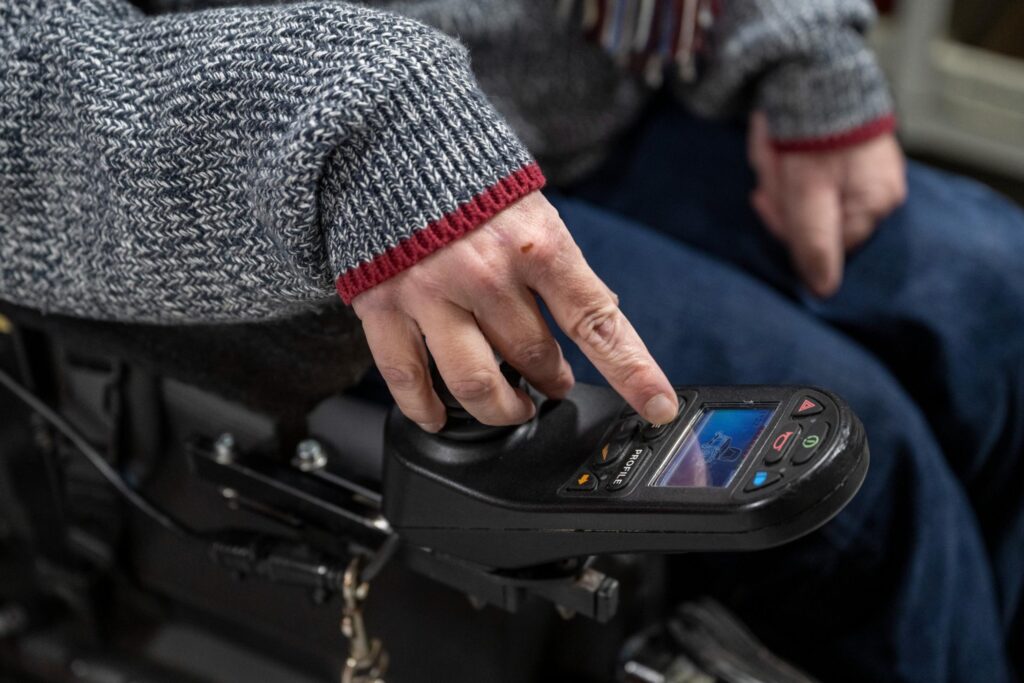
Technology as a Tool for Inclusion and Independence
Technology has become an essential part of daily life, shaping how people communicate, work, learn, and navigate their surroundings. For people with disabilities, technological advancement carries particular significance, offering tools that reduce barriers and support greater independence. Rather than focusing solely on convenience, many modern solutions address accessibility challenges that once limited participation in everyday activities.
As digital tools evolve, designers and developers increasingly consider inclusivity as a core principle rather than an afterthought. This shift has led to products and systems that adapt to different physical, sensory, and cognitive needs. From communication aids to mobility support, technology now plays a practical role in enhancing autonomy.
The impact of these developments extends beyond individual users. Families, caregivers, and communities also benefit as accessibility improves. By supporting participation and reducing reliance on assistance, technology contributes to a more inclusive environment where people with disabilities can engage more fully with the world around them.
Assistive Devices Supporting Communication and Interaction
Communication technologies have transformed how people with disabilities express themselves and interact with others. Devices designed for speech assistance, text generation, and symbol-based communication allow users with speech or language challenges to participate in conversations more easily. These tools range from dedicated hardware to mobile applications that adapt to individual needs.
Advancements in voice recognition and text-to-speech systems have further expanded accessibility. Users can now control devices, compose messages, and access information using alternative input methods. This flexibility supports independence in both personal and professional settings.
Such developments reflect broader progress in assistive technology for disabilities, where innovation focuses on usability rather than complexity. When communication becomes more accessible, individuals gain confidence and autonomy, reinforcing the role of technology as a practical enabler rather than a specialised solution.
Mobility and Navigation Technologies Enhancing Daily Movement
Mobility is a key factor in daily independence, and technology has introduced meaningful improvements in this area. Smart wheelchairs, adaptive controls, and wearable navigation tools help users move through physical spaces with greater confidence. These innovations are particularly valuable in environments that were not originally designed with accessibility in mind.
Navigation applications now include features such as obstacle alerts, audio guidance, and custom route planning. For individuals with visual or mobility impairments, these tools reduce uncertainty and increase safety when travelling independently. Indoor navigation systems are also emerging, supporting access in complex buildings such as hospitals and transport hubs.
By addressing real-world challenges, mobility-focused technologies contribute to everyday practicality. Observations shared through a general technology publication often highlight how these tools empower users to participate more freely in work, education, and social life without constant assistance.
Smart Home Technology and Everyday Independence
Smart home systems have become increasingly valuable for people with disabilities by simplifying routine tasks. Voice-controlled lighting, temperature regulation, and appliance management reduce the need for physical interaction with switches or controls. These features support independence within the home environment.
Automation also improves safety. Motion sensors, alert systems, and remote monitoring tools help users manage risks and respond quickly to unexpected situations. For individuals with limited mobility or sensory challenges, these systems provide reassurance and control.
The adaptability of smart home technology allows customisation based on individual needs. By integrating accessibility features into everyday products, technology moves away from segregation and toward inclusion. This shift reflects a broader commitment to designing environments that support diverse abilities naturally.
Digital Access to Education, Work, and Services
Technology has expanded access to education and employment opportunities for people with disabilities. Online learning platforms offer flexible formats that accommodate different learning styles and physical needs. Features such as adjustable text sizes, captions, and screen reader compatibility support inclusive education.
Remote work technologies have similarly opened new possibilities. Communication platforms, adaptive software, and flexible scheduling allow individuals to contribute effectively without the limitations of physical commuting. This shift has increased participation in professional environments that were previously less accessible.
Access to services has also improved through digital platforms. Online appointments, accessible websites, and virtual support systems reduce barriers and support independence. Content from an inclusive digital resource often emphasises that accessibility in digital spaces is essential for meaningful participation in modern society.
Wearable Technology and Personal Support Tools
Wearable devices play a growing role in supporting daily health and awareness. Smartwatches, health monitors, and sensory feedback tools help users track activity, manage routines, and respond to environmental cues. These devices provide discreet support that integrates smoothly into daily life.
For individuals with sensory or cognitive challenges, wearables can offer reminders, alerts, and feedback that support routine management. These tools help users stay organised and responsive without relying heavily on external prompts.
As wearable technology continues to evolve, its role in accessibility expands. By focusing on user-centred design, developers create products that support independence while respecting privacy and personal preference. This approach reinforces the practical value of technology in everyday living.
Conclusion
Technology continues to reshape daily life for people with disabilities by reducing barriers and supporting greater independence. Through assistive communication tools, mobility innovations, smart home systems, and digital access to work and education, technological solutions address practical challenges that affect everyday participation. These advancements reflect a growing recognition of accessibility as an essential part of design rather than a specialised addition. When technology adapts to diverse needs, it empowers individuals to engage more fully with their environments and communities. Over time, inclusive innovation contributes to a society where independence, dignity, and participation are more widely achievable. By focusing on usability and flexibility, technology plays a meaningful role in improving daily life for people with disabilities.