
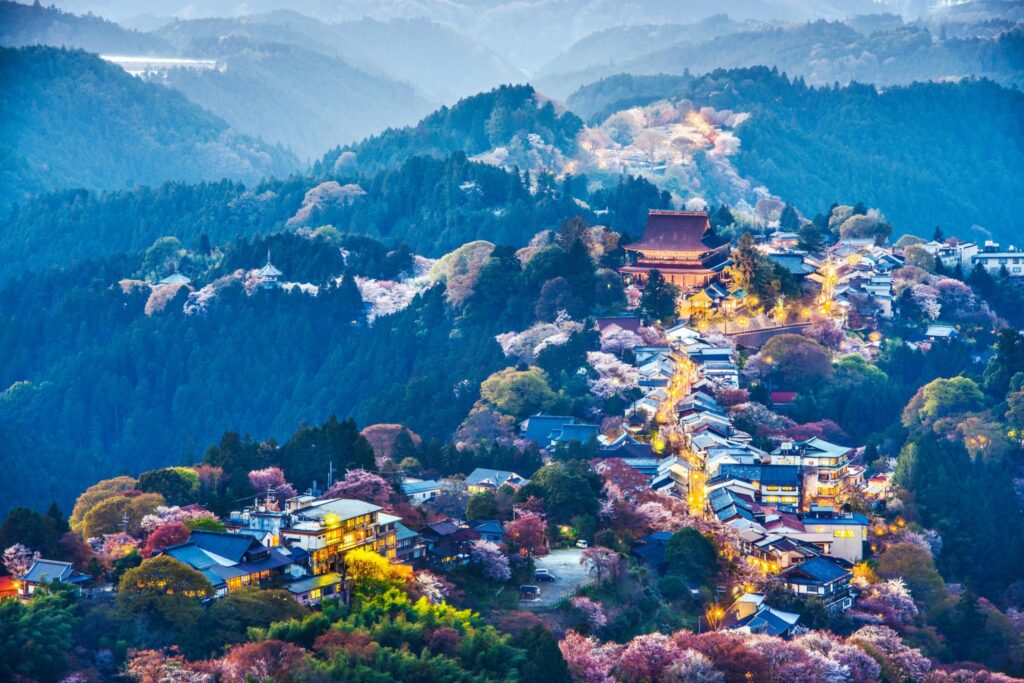
Why Mountain Cities Continue to Attract Travellers
Mountain cities across Asia have long attracted travellers seeking cooler climates, scenic landscapes, and cultural depth. In recent years, interest in these destinations has grown as people look for travel experiences that combine nature, history, and slower-paced living. Unlike short-term sightseeing stops, mountain cities often invite longer stays, offering space for reflection and exploration beyond traditional tourist routes.
High-altitude destinations provide more than dramatic views. Many serve as cultural centres shaped by geography, trade routes, and regional traditions. Their elevation influences architecture, lifestyle, and daily routines, creating environments distinct from surrounding lowland cities. Travellers increasingly value these differences, especially those seeking meaningful experiences rather than fast itineraries.
As travel preferences shift toward immersive journeys, mountain cities across Asia continue to stand out. Their blend of environment, heritage, and accessibility makes them appealing to both first-time visitors and seasoned travellers.
Baguio City: The Highlands of the Philippines
Baguio City remains one of Southeast Asia’s most recognisable mountain destinations. Located in the Cordillera region of the Philippines, the city sits at a higher elevation that provides a noticeably cooler climate compared to the surrounding lowlands. This climate has long made it a popular retreat, particularly during warmer months.
Beyond weather, Baguio City offers cultural depth. The city reflects a mix of indigenous heritage and historical influences, visible in its markets, crafts, and local traditions. Sites such as Burnham Park and surrounding pine forests encourage outdoor activity while maintaining an urban rhythm. Food culture also plays a central role, blending regional produce with familiar comfort dishes.
Baguio’s accessibility has contributed to its continued popularity. As travellers seek destinations that balance convenience with atmosphere, the city remains a strong example of how mountain living shapes travel experiences in Asia.
Kathmandu and Pokhara: Gateways to the Himalayas
Nepal’s Kathmandu and Pokhara stand as iconic mountain cities shaped by geography and spiritual history. Kathmandu, located in a high-altitude valley, serves as a cultural and historical centre surrounded by Himalayan foothills. Its temples, narrow streets, and living traditions reflect centuries of continuity influenced by its mountainous surroundings.
Pokhara, by contrast, offers a quieter environment framed by dramatic peaks and lakes. Known for its proximity to the Annapurna range, the city attracts visitors interested in trekking, nature, and relaxation. Its slower pace and open spaces provide balance to Kathmandu’s intensity.
These cities demonstrate how mountain environments shape daily life and tourism. As destinations featured in Asian mountain travel destinations, they continue to appeal to travellers seeking both cultural immersion and access to some of the world’s most renowned landscapes.
Shimla and Manali: Hill Cities of Northern India
Northern India is home to several historic hill cities, with Shimla and Manali among the most visited. Shimla, once a colonial administrative centre, features architecture and planning influenced by its mountainous setting. Its pedestrian-friendly areas and elevated viewpoints encourage exploration on foot.
Manali, located further north, offers a more nature-focused experience. Surrounded by forests and valleys, the city attracts travellers interested in outdoor activities such as hiking and seasonal sports. Despite increased tourism, Manali retains a relaxed atmosphere shaped by its environment.
Both cities illustrate how mountain destinations can evolve while preserving identity. Their continued popularity reflects broader interest in destinations that combine scenery, history, and manageable access within Asia.
Lijiang and Shangri-La: Mountain Culture in China
China’s southwestern region offers distinct mountain cities shaped by ethnic diversity and altitude. Lijiang, located in Yunnan Province, is known for its preserved old town and surrounding mountain scenery. Its canals, stone paths, and traditional architecture reflect a lifestyle adapted to highland conditions.
Further north, Shangri-La sits at a higher elevation and offers a quieter, more expansive environment. Influenced by Tibetan culture, the city provides access to monasteries, grasslands, and alpine landscapes. Its slower pace attracts travellers seeking reflection and connection with nature.
These destinations highlight how geography influences cultural expression. As featured locations in a travel-focused storytelling platform, they show how mountain cities offer experiences rooted in both place and tradition.
Chiang Mai and Da Lat: Highland Cities of Southeast Asia
Chiang Mai in Thailand and Da Lat in Vietnam are well-known highland cities that combine accessibility with distinct atmospheres. Chiang Mai, located in northern Thailand, is surrounded by mountains that shape its climate and cultural identity. The city balances urban life with access to nature and heritage sites.
Da Lat, situated in Vietnam’s Central Highlands, offers a cooler climate and landscape influenced by elevation. Its lakes, gardens, and colonial-era structures create an environment distinct from Vietnam’s coastal cities. The city has gained attention among travellers seeking relaxed, scenic destinations.
These highland cities demonstrate how altitude influences lifestyle without isolation. Their popularity reflects growing interest in destinations that offer comfort, scenery, and cultural depth in equal measure.
Why Mountain Cities Are Gaining Renewed Interest
Mountain cities across Asia are gaining renewed attention as travellers seek experiences that feel grounded and restorative. Cooler climates, walkable environments, and access to nature appeal to those looking to escape fast-paced urban centres. These destinations often encourage slower travel, allowing visitors to engage more deeply with local culture.
Infrastructure improvements and sustainable tourism initiatives have also made high-altitude cities more accessible. As travel evolves, destinations that support longer stays and meaningful exploration gain relevance. Mountain cities offer this balance by combining essential amenities with distinctive environments.
Insights shared through an Asia travel exploration hub frequently highlight how these destinations respond to changing travel values. Rather than offering spectacle alone, mountain cities provide context, comfort, and a sense of place that resonates with modern travellers.
Conclusion
Exploring mountain cities and high-altitude destinations across Asia offers travellers a unique blend of environment, culture, and pace. From Baguio City’s cool highlands to the Himalayan gateways of Kathmandu and Pokhara, these destinations reflect how geography shapes daily life and travel experiences. Cities such as Shimla, Lijiang, Chiang Mai, and Da Lat demonstrate the diversity found across Asia’s elevated regions, each offering its own character and rhythm. As travel preferences continue to shift toward immersive and reflective journeys, mountain cities stand out for their ability to balance accessibility with depth. By combining scenic landscapes with cultural richness, these destinations invite travellers to slow down, explore thoughtfully, and engage more meaningfully with the places they visit.