
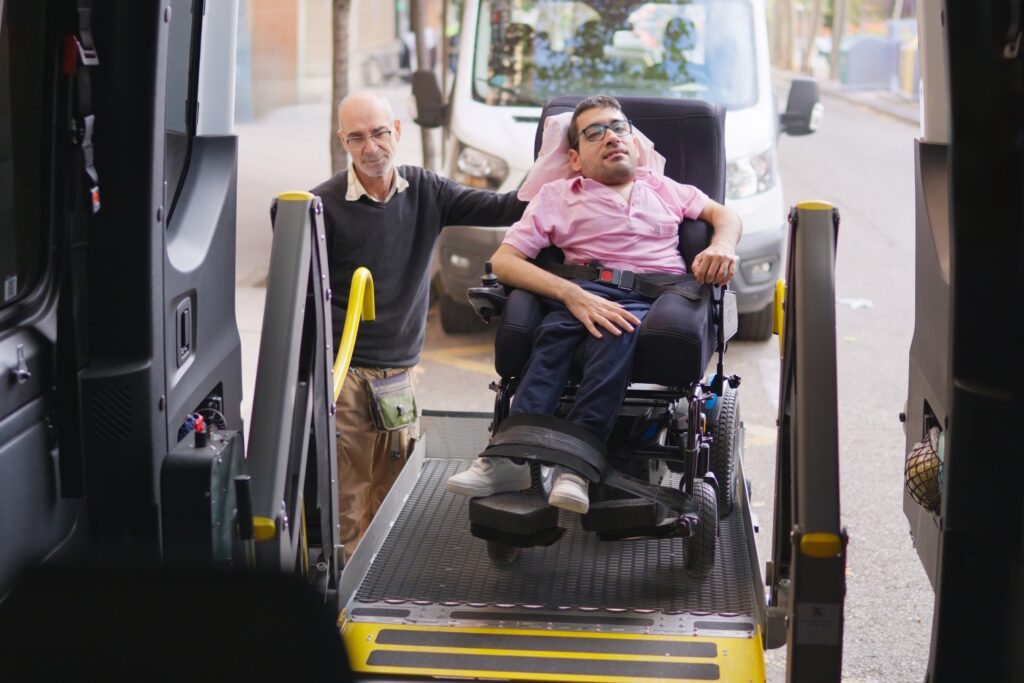
For someone managing a chronic illness, the healthcare journey never really ends. There are no single appointments, no one-time fixes, and no clean finish lines. Instead, there are recurring visits to specialists, regular infusion sessions, ongoing physical therapy, routine lab work, and the constant movement between care settings that defines life with a long-term condition. What rarely gets discussed in that context is the transportation infrastructure that makes all of it possible. Medical transport for chronic illness patients is not a one-off emergency service — it is a recurring, relationship-based component of long-term care that directly shapes whether a patient can access treatment consistently, manage their condition effectively, and maintain a reasonable quality of life. When that transportation is reliable, care continuity follows. When it breaks down, the consequences compound quickly. Understanding how medical transport fits into the broader picture of chronic illness management is essential for patients, caregivers, clinicians, and the systems designed to support them all.
Why Chronic Illness Patients Face Unique Transportation Challenges
The transportation needs of a patient with a chronic illness are fundamentally different from those of someone seeking one-time acute care. A person recovering from a broken leg needs a few rides to follow-up appointments. A patient with end-stage renal disease needs transportation to a dialysis center three times a week, every week, for the rest of their life or until they receive a kidney transplant. That distinction — between temporary need and permanent necessity — changes everything about how transportation must be planned, funded, and delivered.
Chronic illness patients frequently deal with progressive physical limitations that evolve over time, meaning their transportation needs today may be significantly different from what they will require in six months or two years. A patient with multiple sclerosis may begin their disease course fully ambulatory and able to use standard transportation, but gradually require a wheelchair-accessible vehicle, and eventually need a stretcher transport as their condition advances. Transportation systems that fail to anticipate and accommodate that progression create gaps in care at precisely the moments when medical needs are increasing rather than decreasing.
Fatigue is another dimension of chronic illness that transportation planning often fails to account for. Many conditions — including lupus, fibromyalgia, congestive heart failure, and cancer — involve profound, unpredictable fatigue that makes extended travel physically difficult and sometimes dangerous. A long wait for a delayed transport vehicle, a bumpy ride in an uncomfortable vehicle, or the cognitive and physical demand of navigating public transit can leave a chronically ill patient depleted well before they even reach their appointment. That depletion affects their ability to engage meaningfully with their care team, absorb information, and advocate for themselves during the visit itself.
The Connection Between Reliable Transport and Care Continuity
Care continuity — the consistent, coordinated delivery of healthcare across time and settings — is one of the strongest predictors of positive outcomes in chronic disease management. Patients who see the same providers regularly, follow through on treatment plans, and maintain consistent contact with their care team have measurably better disease control, fewer hospitalizations, and lower long-term healthcare costs than those whose care is fragmented and irregular. Transportation reliability is one of the most direct levers that either supports or undermines that continuity.
When a chronic illness patient misses an appointment due to transportation failure, the consequences are rarely limited to that single visit. A missed nephrology appointment may mean a delayed medication adjustment that leads to fluid overload and an emergency room visit. A skipped infusion session for a patient with Crohn’s disease may trigger a disease flare that requires hospitalization. A missed psychiatry visit for a patient managing both a mental health condition and a chronic physical illness can set off a cascade of medication non-compliance and symptom escalation. Each missed appointment is not an isolated event — it is a gap in a carefully constructed treatment plan that can take weeks or months to correct.
The relationship between transportation and care continuity is also deeply tied to trust. Patients who repeatedly experience unreliable transport — late pickups, no-shows, uncomfortable vehicles, or drivers who are unfamiliar with their medical needs — gradually disengage from the system. They stop scheduling appointments, skip treatments they consider optional, and begin managing their condition reactively rather than proactively. Rebuilding that trust and re-engaging a disenchanted chronic illness patient is far more resource-intensive than maintaining reliable service from the start. Consistent, dignified medical transportation is not just a logistical service — it is a trust-building mechanism that keeps patients connected to care over the long arc of a chronic condition.
How Different Chronic Conditions Shape Transport Needs
Not all chronic illnesses create the same transportation demands, and understanding the specific needs tied to different conditions helps illustrate how complex and individualized this aspect of care coordination really is. Oncology patients undergoing active treatment often require frequent trips to infusion centers or radiation facilities, sometimes daily for weeks at a time. These patients may be immunocompromised, making exposure to public transit or shared rideshare vehicles a genuine infection risk. They are often fatigued from treatment, nauseated, or dealing with side effects that make standard seating uncomfortable. Specialized medical transport that accommodates a reclining position, provides climate control, and minimizes exposure to other passengers is not a luxury for these patients — it is a clinical consideration.
Patients with congestive heart failure present a different set of transportation challenges. Their condition can deteriorate rapidly, meaning a patient who seems stable at the start of a transport may develop shortness of breath, swelling, or confusion by the time they arrive at their destination. Having a transport crew trained to recognize early signs of decompensation — and equipped to respond appropriately — can prevent a routine transport from becoming an emergency. For these patients, the line between non-emergency and emergency medical transport can blur quickly, and the vehicles and personnel assigned to them need to reflect that reality.
Neurological conditions such as Parkinson’s disease, ALS, and advanced multiple sclerosis create mobility and positioning challenges that standard vehicles simply cannot accommodate. Patients with these conditions may require specialized wheelchair tie-downs, head and neck support, pressure-relief seating, or the ability to travel in a fully reclined or stretcher position. They may also need longer boarding and deboarding times, patient and experienced drivers who understand the physical demands of assisting someone with significant motor impairment, and vehicles that can accommodate caregivers who travel alongside them. The specificity of these needs underscores why chronic illness transport is a specialized field within medical transportation, not simply a subset of general patient transport.
Integrating Transport Into Chronic Disease Care Plans
One of the most underutilized opportunities in chronic disease management is the proactive integration of transportation planning into the overall care plan. In most healthcare settings, transportation is treated as an afterthought — something the patient figures out on their own, or something addressed only after a missed appointment reveals a problem. A more effective approach treats transportation as a clinical concern from the outset, particularly for patients who are known to have mobility limitations, lack private transportation, or live in areas with limited transit options.
Care coordinators, social workers, and case managers play a pivotal role in this integration. When a patient is diagnosed with a condition that will require frequent, long-term medical appointments, an early assessment of their transportation resources and barriers should be part of the care planning process. Does the patient have a reliable vehicle? Can they physically drive? Do they have family members who can provide consistent support? Are they enrolled in a Medicaid plan that covers non-emergency medical transport? Asking these questions early — and connecting patients to the appropriate transportation resources before gaps emerge — is a proactive strategy that pays dividends throughout the disease course.
Healthcare systems that have embedded transportation coordination into their chronic disease programs have seen measurable improvements in appointment adherence, patient satisfaction, and clinical outcomes. Some accountable care organizations now include transportation benefits as part of their supplemental services for high-risk patients, recognizing that a reliable ride to a primary care visit is a more cost-effective intervention than managing the downstream consequences of missed care. As value-based care models continue to expand, the integration of medical transport into chronic disease management is likely to become not just a best practice but a standard expectation.
The Emotional and Psychological Dimensions of Transport for Long-Term Patients
The practical challenges of medical transport for chronic illness patients are significant, but the emotional and psychological dimensions of this issue deserve equal attention. For many people living with a long-term condition, the loss of independent mobility is one of the most psychologically difficult aspects of their illness. Depending on others for transportation — whether that means relying on family members, scheduling rides through a NEMT provider, or navigating a complex insurance authorization process — can feel like a loss of autonomy, dignity, and control at a time when the illness has already taken so much.
Chronic illness patients who frequently use medical transport services often report feeling like a burden to family members who provide rides, or feeling dehumanized by transport systems that treat them as logistical units rather than people. Long wait times, drivers who are dismissive or impatient, vehicles that are not properly equipped for their physical needs, and the unpredictability of scheduling all contribute to a transport experience that can leave patients feeling anxious, exhausted, and demoralized before they even begin the medical appointment the transport was meant to facilitate. These emotional dimensions are not peripheral — they directly affect treatment engagement, adherence, and overall wellbeing.
Compassionate, patient-centered transport — where drivers and crews are trained not only in mobility assistance but in empathetic communication, patience, and an understanding of the emotional realities of chronic illness — makes a measurable difference in how patients experience and engage with their care. The interaction between a patient and their transport provider may seem like a small thing in the grand landscape of healthcare, but for someone who depends on that interaction multiple times a week, it is a meaningful and recurring touchpoint in their quality of life.
Conclusion
Medical transport is not a peripheral service for chronic illness patients — it is a structural pillar of their ongoing care. When transportation is reliable, accessible, and thoughtfully matched to the specific needs of each condition, it enables care continuity, supports treatment adherence, and preserves the dignity of patients navigating some of the most demanding health journeys imaginable. When it fails, the consequences ripple outward through missed appointments, preventable hospitalizations, eroded trust, and the quiet suffering of patients who simply cannot access the care they need. Building a healthcare system that genuinely serves people with chronic illness means taking their transportation needs as seriously as their clinical ones. It means integrating transport into care planning from the start, investing in vehicles and personnel that meet the realities of long-term disease, and recognizing that the ride to the appointment is never just a ride — it is part of the treatment itself.