
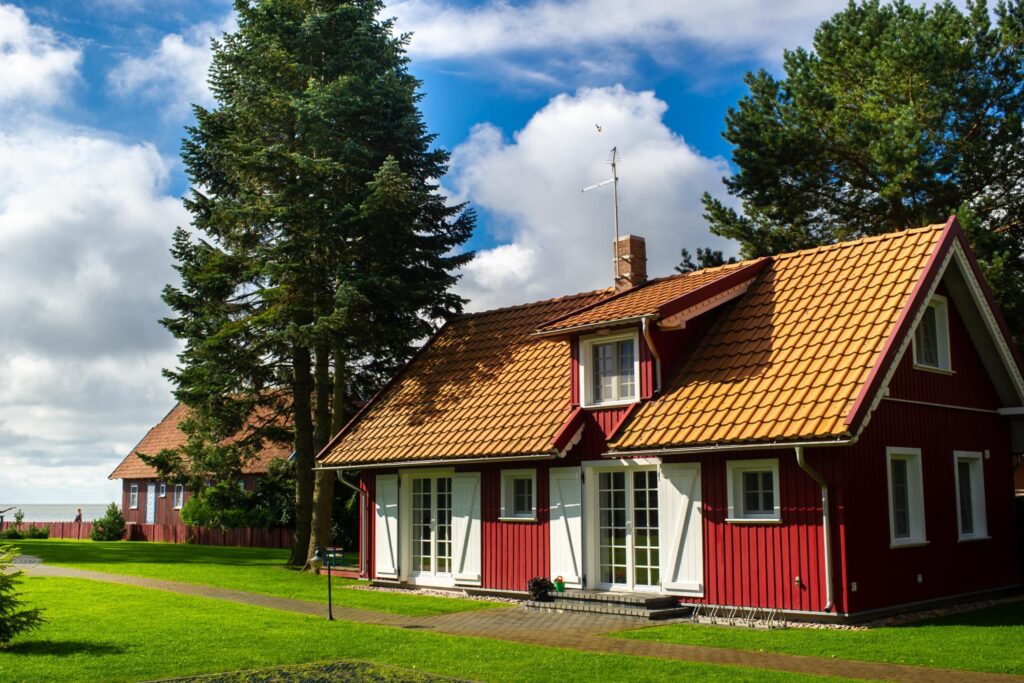
Planning a Home That Fits Rural Life
Living in the countryside offers space, privacy, and a closer connection to nature, but it also presents unique challenges when it comes to home development. Unlike urban environments, rural settings often require homeowners to think more carefully about access, infrastructure, and long-term maintenance. Decisions made early in the development process can significantly affect comfort, functionality, and cost over time.
Countryside homes are often exposed to different weather conditions, limited public services, and greater distances from essential amenities. These factors make thoughtful planning essential, particularly for those building or renovating a property for long-term living. Rather than focusing solely on appearance, rural home development benefits from practical design choices that support daily life.
A well-planned countryside home balances comfort with efficiency. By understanding the environment and planning around it, homeowners can create spaces that are both functional and well suited to rural living, reducing future complications and unnecessary expenses.
Understanding Land, Access, and Local Conditions
Before any development begins, understanding the land itself is critical. Soil quality, drainage patterns, and natural slopes all influence building decisions. In rural areas, these factors vary widely even within short distances, making site assessment an essential first step. Poor drainage or unstable ground can lead to long-term structural issues if not addressed early.
Access is another key consideration. Countryside properties may rely on private roads or shared access points, which affect construction logistics and daily convenience. Planning for safe, durable access routes helps ensure year-round usability, particularly in areas affected by heavy rain or seasonal weather changes.
Local conditions such as wind exposure, sunlight direction, and surrounding vegetation should also guide design choices. Homes that respond to their environment tend to perform better over time. This understanding forms the foundation of effective rural home development planning, ensuring that the property works with the land rather than against it.
Designing for Efficiency and Comfort
Efficiency is especially important in countryside homes, where utility access may be limited or costly. Thoughtful layout design can reduce energy consumption and improve comfort. Positioning living spaces to maximise natural light and heat helps lower reliance on artificial heating and lighting throughout the year.
Insulation and material choice play a significant role in maintaining indoor comfort. Rural properties often face greater temperature variation, making proper insulation essential for both warmth and cooling. Durable materials that withstand weather exposure reduce maintenance needs and long-term costs.
Comfort also extends beyond temperature control. Noise management, airflow, and space planning contribute to a home that feels liveable rather than isolated. Well-designed countryside homes prioritise everyday functionality while still embracing the openness that rural living offers.
Managing Utilities and Self-Sufficiency
Unlike urban properties, countryside homes may not have direct access to public utilities such as mains water, sewage, or gas. Planning for alternative systems becomes a central part of development. Water storage, septic systems, and renewable energy sources are common considerations.
Installing reliable utility systems requires careful planning and professional guidance. For example, water management systems must comply with local regulations while remaining practical for daily use. Renewable energy options such as solar panels or ground-source heating can improve self-sufficiency and reduce long-term expenses.
These decisions directly affect the sustainability of the property. Many discussions around countryside housing solutions highlight the importance of designing homes that function independently when necessary. By addressing utilities early, homeowners reduce disruption and ensure long-term reliability.
Building With Maintenance and Longevity in Mind
Maintenance requirements are often higher in rural settings due to exposure to weather, wildlife, and limited immediate access to services. Choosing materials and finishes that age well helps reduce ongoing effort and expense. Exterior cladding, roofing, and drainage systems should be selected with durability in mind.
Interior planning also benefits from foresight. Flexible spaces allow homes to adapt as needs change, whether accommodating family growth, remote work, or ageing in place. Storage planning becomes especially important when access to shops or services is less convenient.
Guidance shared through a trusted home development resource often emphasises that countryside homes should be built for longevity rather than trend-driven design. This mindset supports practical decisions that remain beneficial long after construction is complete.
Balancing Aesthetics With Practical Living
While functionality is essential, countryside homes also benefit from thoughtful aesthetics that complement their surroundings. Design choices that respect the local environment help properties blend naturally into the landscape rather than dominate it. This balance enhances both visual appeal and community acceptance.
Interior aesthetics should support comfort and ease of use. Natural materials, adaptable layouts, and durable finishes contribute to spaces that feel welcoming and practical. Avoiding overly complex designs reduces maintenance challenges and supports everyday living.
By combining practicality with considered design, homeowners create spaces that are enjoyable without being demanding. This balance is key to successful rural home living and long-term satisfaction.
Conclusion
Practical home development for countryside living begins with understanding the land, environment, and lifestyle demands unique to rural settings. From assessing access and utilities to designing efficient layouts and choosing durable materials, thoughtful planning supports both comfort and sustainability. Countryside homes benefit from designs that prioritise functionality, adaptability, and long-term maintenance rather than short-term trends. By addressing utilities early, considering self-sufficiency, and planning for future needs, homeowners reduce unexpected challenges and create resilient living spaces. Over time, these careful decisions contribute to homes that feel secure, efficient, and well integrated into their surroundings. With a balanced approach to design and practicality, countryside living becomes not only appealing but genuinely sustainable for years to come.